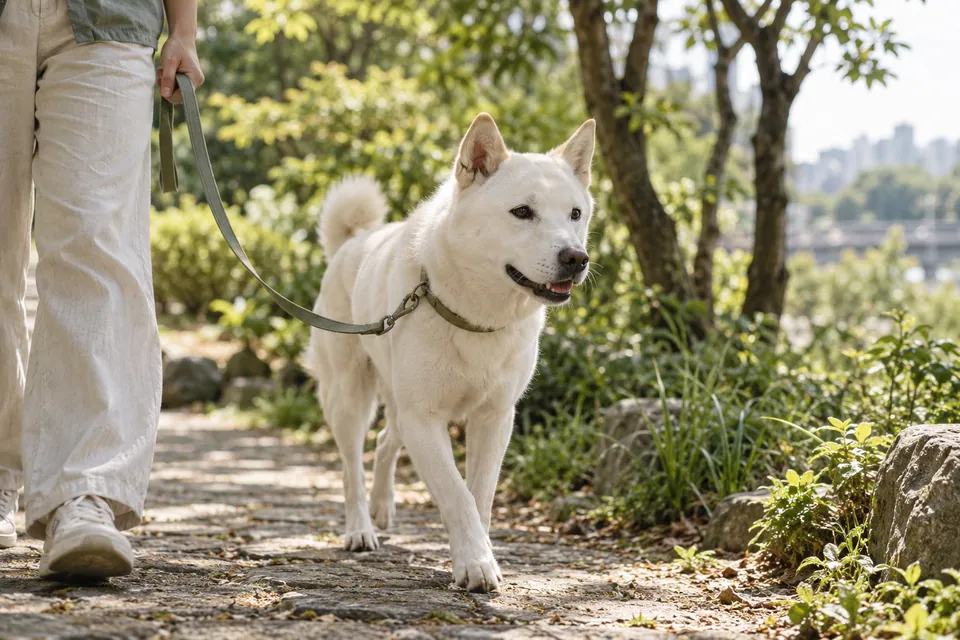
In one line, how do a chip and a GPS tracker differ?
The short answer is this. An implanted chip (microchip) is a unique number placed in an animal's body, and a GPS tracker is an electronic device meant to show an animal's current location on a map. The UK Government's guidance explains that a microchip holds a number and that number appears when it is scanned (UK Government). The RSPCA (Royal Society for the Prevention of Cruelty to Animals) in the UK likewise says the chip gives a unique number and that the number the scanner reads is matched against the owner's contact details in a database (RSPCA). In other words, a chip is a means of identification that becomes useful only when someone finds the animal and reads it.
Three questions readers often ask are also answered first. First, implanting a chip does not make location tracking possible. None of the organizations' guidance checked for this article says a chip tells you where an animal is. Second, I found no basis for saying that having a GPS collar removes the pet registration obligation. The registration methods that the Korean law-information guidance describes are internal and external radio-frequency identification devices and a registration tag, and I could not confirm any statement that a GPS device is accepted as a registration method. Third, the difference between an external tag and an implanted chip is whether it is attached to the body or inside it; the RSPCA points out that collars and tags can get caught or come off, and the Ministry of Agriculture, Food and Rural Affairs (MAFRA) explains that for cats, collars are often damaged or fall off.
The table below sets four commonly seen methods side by side by principle. This article does not rate any method as better, and compares only what each one can and cannot do. The GPS tracker and Bluetooth loss tag rows describe the general working principle of the devices, and what was confirmed directly from public sources is stated separately in later sections.
| Method | How it works | Power and communication | What it tells you | Limits |
|---|---|---|---|---|
| Implanted chip (RFID) | A reader reads the number of the device inside the body from close range | No battery on the chip side (passive device); a reader is needed on the reading side | A unique number (for a 15-digit international-standard chip) | No location information; someone has to read the number; registration information has to be current |
| External registration tag or ID tag | A device attached to a collar or an ID tag has a number or contact details written on it | A device-type tag needs a reader; an ID tag is read by eye | A number or contact details | If the collar comes undone or is damaged, the information is lost |
| GPS tracker | Calculates position from satellite signals and sends it over a network | Needs a battery and a network (a service plan often comes with it) | Current location and movement history | Weak indoors and in shadowed areas; stops if charging lapses |
| Bluetooth loss tag | Estimates location through short-range wireless communication with nearby devices | Small battery; depends on help from surrounding devices | Only an approximate location, and only when devices are nearby | In places with few people, the location may not update |
Why can't a chip show location?
The reason lies in the chip's structure. A case report by researchers at the Animal Health Trust in the UK describes a microchip as a passive transponder (a passive identification device) and says it usually sits under the skin between the shoulder blades (case report in the Journal of Feline Medicine and Surgery, PMC). The World Small Animal Veterinary Association (WSAVA) microchip guidelines treat a chip as a responding device read by a reader, and explain that because the reading distance is short, the implant site is standardized and the reader has to be brought close to the chip (WSAVA). This means a chip does not calculate its own position or send a signal over a distance; it answers with its number when a reader comes near.
The international standards are also centered on the number. According to the WSAVA guidelines, ISO 11784 and 11785 specify the bit content and communication method of the chip, and a chip that meets the standard has a 15-digit numeric code whose first three digits are a manufacturer or country code. The place where this number links to owner information is not inside the chip but in the registration database. The UK Government also says that when information changes, for example when the owner moves, the database company linked to the chip must be told so the information can be corrected (UK Government).
A GPS tracker, by contrast, is a device that calculates location, so it needs power and communication. A 2024 press release on a test by the German consumer testing organization Stiftung Warentest explains that GPS works well outdoors but may be weak or may not work indoors, and notes that many products are sold bundled with subscription plans (Stiftung Warentest). The press release also states that the interval at which location is reported differed by product, ranging from 2 seconds to 10 minutes under the most favorable conditions. In summary, a chip keeps its information once implanted but does not know where the animal is, and a tracker shows location but can stop depending on charging and network status. A Bluetooth loss tag, by its general working principle, communicates with devices at a short distance, so it can be understood that location updates vary with how many devices are around, but performance figures differ by device and this article gives no figures.
How does pet registration work in South Korea?
The most important standard separating chips from GPS devices in Korea is the pet registration system. The Easy-to-Find Korean Laws Information site (Ministry of Government Legislation) describes dogs aged 2 months or older kept in a house or quasi-residence as subject to registration, and explains that an application for registration must be filed within 30 days of the date ownership was acquired or the date the dog reached the age subject to registration. It also says that failure to register brings an administrative fine of up to KRW 1,000,000 (Easy-to-Find Korean Laws Information, checked 2026-11-19); this amount is a ceiling based on Article 101 of the Animal Protection Act (동물보호법). The amount actually charged may vary under the fine schedule in the enforcement decree, and I did not open that schedule, so I cannot say it would come to a particular amount. This law-information page notes that the Animal Protection Act was amended with effect from October 27, 2026, and says the amendments will be reviewed and reflected later, so the deadline and amount may have changed. An owner may register early even before the minimum age if the owner wishes.
There are two registration methods. The same source says the internal type places a chip inside the body, must be done by a veterinarian, and has a fee of KRW 10,000, while the external type attaches a radio-frequency identification device or a registration tag to the body and has a fee of KRW 3,000. For both methods, it says the owner has to buy or bring the device. The fees are as stated on the date this article opened the guidance and may change. Initial registration is done by visiting a designated pet registration agent such as an animal hospital, or a city, county or district office, together with the animal, and the registration status can be checked on the Animal Protection Management System (animal.go.kr).
Reporting continues after registration. When the owner changes, or the owner's name, address or phone number changes, a change report must be filed within 30 days of the date it occurred, and cases where the radio-frequency identification device breaks or is lost and needs replacing are also described as subject to a change report. Failure to report is described as bringing an administrative fine of up to KRW 500,000, and this too is a statutory ceiling. If an animal is lost, it must be reported within 10 days of the day it was lost, and the guidance of the National Institute of Animal Science (NIAS) explains the same 10-day standard and how to file a loss report on the Animal Protection Management System (National Institute of Animal Science). Within the scope I checked, GPS devices are not included in this registration method. So it is safer to read it that even with a GPS collar on, the registration obligation for a dog aged 2 months or older remains separately. The final judgment should be confirmed with the competent city, county or district office.
Do cats get registered too? How do overseas standards and systems differ?
Cats are in a different situation from dogs. A MAFRA press release says the cat registration pilot project operated in some local governments from 2018 and was expanded nationwide from February 1, 2022, and explains that registration is mandatory for dogs aged 2 months or older, while for cats it is a voluntary scheme the owner joins when the owner wishes (Ministry of Agriculture, Food and Rural Affairs). According to the same source, cats can be registered only with the internal type that places an RFID chip at the scruff of the neck, and the external type was excluded because, given cats' behavior, collars are often easily damaged or fall off. Registration is done at an animal hospital designated as an agent by the local government, and it advises checking whether the hospital is designated before visiting. This press release describes the situation as of 2022. The law-information guidance still describes cat registration as a voluntary pilot project as of 2026, and the deadline for change and loss reports for cats is not on that page, so it needs to be checked separately.
Standards relevant to overseas travel are summarized in one paragraph only. Air boarding and quarantine procedures are covered in other articles. According to the WSAVA guidelines, ISO 11784 and 11785 are international standards that define the number structure and communication method of chips, and a chip that meets the standard uses a 15-digit number on the 134.2 kHz system. WSAVA introduces non-standard chips, some of which use the 125 kHz system or have encrypted numbers that need a dedicated reader. So if overseas travel is planned, check with a veterinarian or the relevant country's authority whether the animal's chip meets the standard. Whether a chip meets the standard and the entry requirements differ by country.
Systems also differ by country. The UK Government says that in the UK dogs need a microchip and registration by 8 weeks of age, and cats in England need them by 20 weeks, including indoor cats. In Scotland, Wales and Northern Ireland a chip for cats is optional, and it says breaking the requirement carries a fine of up to 500 pounds (UK Government). The key differences in this comparison are that cat registration in Korea is voluntary and that Korea also allows the external type for dogs. The UK standard is only a reference and does not apply as is in Korea.
What should owners check when choosing a GPS tracker?
A GPS tracker is an optional product outside the registration system, so when choosing one it is better to set the criteria to check than to focus on product names. This article does not rate or recommend any particular product. The criteria below combine what was confirmed in the testing organization's press release with general device principles, and for each criterion the weakly supported parts are stated.
- Battery and charging interval: if charging lapses, location cannot be seen. Usage time depends on the product manual and conditions of use, so this article gives no figures. Consider the charging method together with how long the animal wears the device.
- Network fees: Stiftung Warentest said many products are sold bundled with subscription plans, and separately calculated and compared the total 2-year cost of the cheapest subscription-type products (2024; costs are in euros and so differ from Korea). Check the monthly or yearly cost as well as the purchase price.
- Location update interval: in the same test, the interval for reporting location differed by product, ranging from 2 seconds to 10 minutes under the most favorable conditions. If updates are slow, it is hard to follow a moving animal.
- Indoors and shadowed areas: GPS is described as possibly weak indoors. Check how the device behaves in apartments, basements and places dense with buildings.
- Waterproofing, weight and fit: because the device attaches to a collar, check whether it is fine in rain or when the animal plays in water, and whether it is too heavy for the animal's size. I found no basis for this item in the public sources opened for this article, so it is better to look at the manufacturer's manual together with a veterinarian's opinion.
- Geofence (safe-zone alerts) and app: check whether there is a function that sends an alert when the animal leaves a zone around the home, and whether alerts are delayed.
- Location data and personal information handling: check in the terms how the app stores location records and account information and who it is provided to. I do not state definitively how pet devices are treated under the Location Information Act. If the app can also collect the owner's own location, look at it more carefully.
A chip and a tracker do different jobs, so there is no need to see it only as choosing one. Keep in mind, though, that for an animal that has only a tracker and no chip or registration, there are fewer ways to identify the owner if someone finds it while the device is off.
How strong is the evidence behind agency statements on chip side effects and migration?
The evidence on whether a microchip causes problems in the body has to be read by level. The most specific source opened directly for this article is a case report by researchers at the Animal Health Trust in the UK. This report is a single case report and not a controlled study. The report explains that a microchip usually sits under the skin between the shoulder blades and that migration is rare but possible. It states that the UK voluntary reporting scheme had received 287 reports up to 2004, of which 36 involved cats, and that the reported problems included swelling, infection, migration, chip failure and chip loss (case report in the Journal of Feline Medicine and Surgery, PMC). It also mentions one case in a dog where a chip was linked to tumor formation.
The central content of this report was an accident caused when an owner used force while inserting the chip. A cat showed paralysis of its limbs immediately after the chip was inserted, and the chip was found inside the spinal canal and removed surgically. The authors state that, to their knowledge, this kind of spinal cord injury was the first report, and concluded that inappropriate technique can lead to severe injury. At the same time they summarized other adverse reactions as rare and mostly mild. The practical meaning from this article is that the procedure should be done by a skilled person such as a veterinarian. The Korean law-information guidance also explains that the internal type is implanted by a veterinarian.
The limits are also clear. The evidence checked for this article depends on voluntary reports and case reports, so it is hard to give an exact rate for how often adverse reactions occur. Few reports does not mean it does not happen. The World Small Animal Veterinary Association advises scanning animals that have a chip every year to confirm that the chip is working and in place (WSAVA). This guidance can be read as a way to check for migration or failure. If the implant site is swollen, painful or feverish, it should be shown to a veterinarian.
What are common misunderstandings, and how should I ask a professional in these cases?
The first misunderstanding is the idea that once a chip is implanted, you can see the animal's location on a phone. A chip is a device whose number is read by a scanner, and it does not show location. The second is the idea that if you have a GPS collar, registration is not needed. In Korea, registering a dog aged 2 months or older is a legal obligation, and the registration methods the guidance describes are a radio-frequency identification device and a registration tag. The third is the idea that once a chip is implanted, the information is kept automatically for life. The chip has a number and the owner's information is in the registration system, so when you move or your contact details change, a change report must be filed within 30 days. The fourth is the idea that an external tag and a chip have the same effect. The external type depends on the collar, so if it comes undone or is damaged the information can be lost, and MAFRA also gave this as the reason it excluded the external type for cats.
Reading a chip also has limits. The WSAVA guidelines advise scanning at least twice for at least 10 seconds each before giving a negative result, sweeping slowly from the standard implant site to the area around the same region, and scanning with a metal collar removed and at least 1 meter away from electronic devices. This means a chip may be present and still not be read, so when an animal is lost it helps to tell the shelter or hospital about these points.
What to do when a pet is lost is covered in detail in a separate article (lost-pet-what-to-do-korea). Here, just remember the deadline that a registered dog must be reported lost within 10 days.
The following are things this article could not confirm. The content of this article should be read within this scope.
- Bluetooth loss tags, and the waterproofing, weight and battery figures of GPS devices
- The Location Information Act and the standards for handling personal location information (the text at the National Law Information Center)
- Whether cat registration became mandatory after 2022, and whether the registration fee and reporting deadlines changed after the amendment took effect in October 2026
- The actual standards for imposing the administrative fine (enforcement decree)
Situations in which to ask a veterinarian or the competent authority are as follows.
- If the implant site is swollen, painful or discharging, or if the animal walks strangely after the procedure, go to an animal hospital.
- Whether the animal's chip meets the international standard, and whether there will be a problem when traveling overseas, should be checked with a veterinarian or the relevant country's authority.
- Whether the animal is subject to registration, whether there is an exception in the local ordinance, and which hospitals register cats should be asked of the competent city, county or district office.
- If you are worried about how a GPS device handles personal information, check the manufacturer's terms and the guidance of the relevant personal-information agency.
Frequently asked questions
Q Does implanting a chip allow location tracking?
No. The guidance of the UK Government and the RSPCA explains that scanning a chip makes a number appear and that the number is matched against the owner's information in a database. A chip is read only when a reader comes close, so it does not show the current location of an animal far away.
Q If my pet has a GPS collar, do I still need to register the animal?
The Korean public guidance checked for this article has no statement that a GPS device is accepted as a registration method. The law-information guidance says the owner of a dog aged 2 months or older must register within 30 days by the internal or external method, and that failure to register brings an administrative fine of up to KRW 1,000,000 (a statutory ceiling) (checked 2026-11-19). Confirm individual circumstances with the competent city, county or district office.
Q How do an external tag and an implanted chip differ?
The external type wears a radio-frequency identification device or a registration tag on the body, while for the internal type a veterinarian implants a chip inside the body. The law-information guidance gives the fee as KRW 3,000 for the external type and KRW 10,000 for the internal type. MAFRA gave the fact that collars are easily damaged or fall off as the reason it excluded the external type for cats.
Q Do cats have to be registered with a chip too?
A MAFRA press release explains that cat registration is a pilot project expanded nationwide from February 2022 and is voluntary for owners. Whether it was made mandatory afterward could not be confirmed for this article, so it is better to check with the local government before registering. Registration is done at a designated animal hospital with the internal type.
Q Can a chip migrate in the body or cause problems?
A case report by UK researchers says migration is rare but possible, that reported problems included swelling, infection, migration and failure, and that an incorrect procedure can cause severe injury. This evidence is at the level of case reports. If the implant site looks abnormal, have it checked at an animal hospital.
Q Does the chip standard matter when traveling overseas?
According to the WSAVA guidelines, a chip that meets the ISO 11784 and 11785 standards uses a 15-digit number, and it introduces non-standard chips, some of which need a dedicated reader. Entry requirements differ by country, so check with a veterinarian or the relevant country's authority. Air boarding and quarantine procedures are covered in a separate article.
Limits and scope of this guide
This article compares the principles of chips and GPS devices and the Korean pet registration system, focused on dogs, and does not address the performance or suitability of any particular product. Items with thin evidence (standards under the Location Information Act, device specification figures, whether cat registration is mandatory, and fee and administrative fine standards after the amendment) are gathered in the section “things this article could not confirm” in the text. For chip adverse reactions, only evidence at the level of case reports and voluntary reports was read. Animals and regions that need individual judgment should be checked with a veterinarian and the competent city, county or district office.
Translated from the Korean edition · Editorial draft, not professionally reviewed. The Korean edition is an explainer newly written from public sources; it is not a full translation of those sources. Veterinary expert review has not been completed. For decisions about your pet's health, talk to a veterinarian who knows your pet.
Sources and check dates
- Pet dog registration (eligibility, internal and external types, change and loss reports) (반려견 동물등록(등록대상, 내장형·외장형, 변경·분실 신고)) ↗
Basis for the registration obligation for dogs aged 2 months or older, the internal and external methods and fees, the 30-day change report, the 10-day loss report, the administrative fine ceilings (up to KRW 1,000,000 and up to KRW 500,000) and voluntary cat registration. The page carries a notice that the Animal Protection Act amendment takes effect on October 27, 2026, and says the amendments are not yet reflected.
- Press release on the cat registration pilot project (반려묘 등록 시범사업 보도자료) ↗
Nationwide expansion in February 2022, voluntary participation, why only the internal type is allowed, and registration at designated animal hospitals.
- Loss and abandonment (Learning about companion animals) (분실 및 유기(반려동물 알기)) ↗
The 10-day loss report for a registered animal and how to file it on the Animal Protection Management System.
- Microchip Identification Guidelines ↗
ISO 11784/11785 number structure, short reading distance, implant site, scanning method and annual check guidance.
- Get your dog microchipped ↗
The explanation that a chip is a device whose number appears when scanned, the UK mandatory ages and fines for dogs and cats, and the responsibility to update information.
- Microchipping ↗
The explanation that a chip gives a unique number that is matched against contact details in a database, and the need to keep contact details updated.
- Spinal cord injury resulting from incorrect microchip placement in a cat ↗
Describes the chip as a passive identification device, the possibility of migration and the types of problems reported, and the risk of inappropriate technique (single case report).
- GPS-Tracker: Gut für Tiere, aber nicht für Gegenstände ↗
Differences in location reporting intervals in the GPS tracker test, bundled sale with subscription plans, the comparison of total 2-year cost, and indoor limits (2024 press release).
Korean edition checked · translated · each source may have a different check date. No paid partnerships.
This guide relies on 2 Korean laws or notices. Current effective dates and upcoming amendments are listed on Korean law check status. This is not legal advice.